The National Association of Realtors just named Salt Lake City one of the top 10 housing hot spots for 2026. That’s the headline. Here’s the reality: this market is simultaneously one of the most promising and one of the most frustrating in the country right now. The Salt Lake City housing market 2026 story isn’t about a boom or a bust—it’s about a market that’s been running in place for three years and might finally be ready to move.
But don’t mistake “hot spot” for “easy market.” The fundamentals here are complicated, and if you’re planning to buy or sell in the next 12 months, you need to understand what’s actually happening beneath the surface.
Why Salt Lake City Made the Top 10

NAR’s designation comes down to three things: demographics, inventory, and rate sensitivity.
Salt Lake City has a disproportionate number of millennials in their prime homebuying years—25 to 34 year olds who’ve been priced out and locked out since 2022. Younger homeowners accounted for approximately one-third of all mortgage holders last year. That’s pent-up demand waiting for any opening.
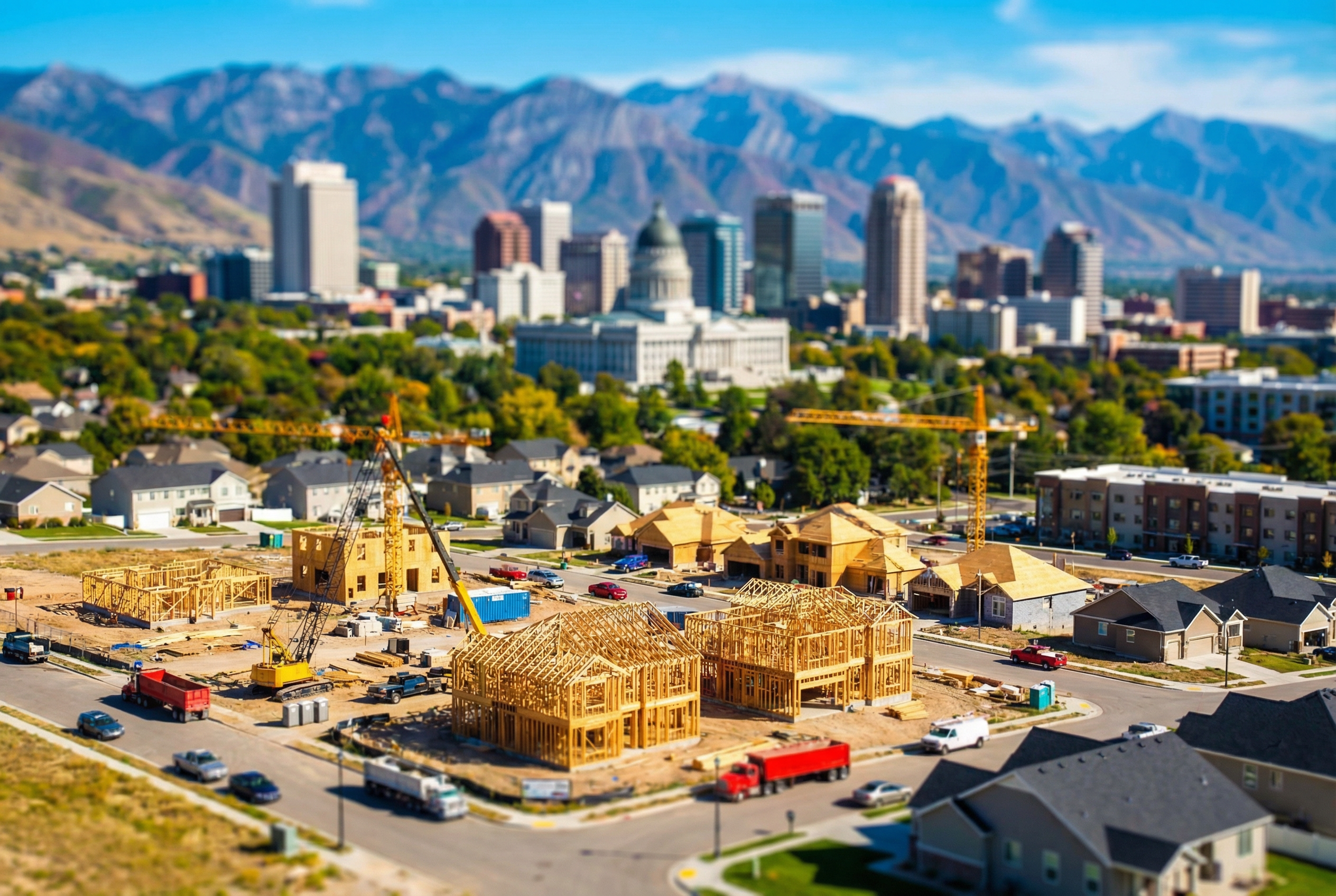
The inventory picture is finally improving. Listings aligned with local incomes surged 20.7% year-over-year—one of the biggest affordability rebounds anywhere in the country. New construction activity is adding options that actually match what local buyers can afford, not just luxury product priced for out-of-state cash.
And here’s the rate sensitivity piece: nearly 25,000 additional Utah households would qualify for a median-priced home if mortgage rates fall to 6% as forecast. That’s not theoretical demand. These are real households doing the math every month, waiting for the numbers to work.
The Numbers That Actually Matter
Let’s cut through the optimism and look at what the Salt Lake City housing market 2026 actually looks like on the ground.
Just under 11,800 residential homes were sold in Salt Lake County in 2025—a 2.4% drop from the year prior. The median sales price rose to $550,000, up about 2%. Days on market stretched from 29 to 36.
Here’s the context that matters: the number of residential real estate sales per 1,000 residents has remained largely the same since 2023, hovering between 9.4 and 9.5. That’s the lowest transaction rate in 25 years. The market isn’t crashing—it’s frozen.
James Wood, Ivory-Boyer Senior Fellow at the Kem C. Gardner Policy Institute, put it bluntly at the Salt Lake Board of Realtors forecast event: the market is “running in place.” “I don’t see many indicators out there that can say, ‘well, we’re going to, all of a sudden, see a surge in buying or a surge in prices.'”
The Lock-In Effect Is Still Real
The biggest headwind for sellers—and the biggest frustration for buyers—is the mortgage rate trap that’s keeping inventory artificially low.
Over 60% of mortgage holders in Utah still have rates below 4%, locked in during the pandemic years. Why would anyone trade a 3.25% mortgage for a 6.15% mortgage unless they absolutely had to?
This creates a strange dynamic. Buyers are competing for limited inventory while thousands of potential sellers sit tight in homes they might otherwise list. The homes that do come to market tend to be driven by life events—job relocations, divorces, deaths, growing families—not discretionary moves.
Expect this pattern to continue through most of 2026. The lock-in effect won’t break until rates drop significantly below 5%, and nobody’s projecting that anytime soon.
What Mortgage Rates Will Actually Do
The average for a 30-year fixed-rate mortgage dropped to 6.15% by the end of 2025—the lowest level of the year and a full percentage point below where rates started in January. That’s real progress.
NAR projects rates will average around 6% for 2026. But Dejan Eskic at the Gardner Policy Institute offers a reality check: “I don’t think they’ll go as much as people think they will just because there’s still the uncertainty of tariffs and we see with inflation that it’s not going away like we want it to.”
The practical takeaway? Don’t wait for a magic rate. If you’re planning to buy in the Salt Lake City housing market 2026, budget for rates in the low 6% range and be pleasantly surprised if they dip lower. Timing the rate market has been a losing strategy since 2022.
The Affordability Math Is Brutal
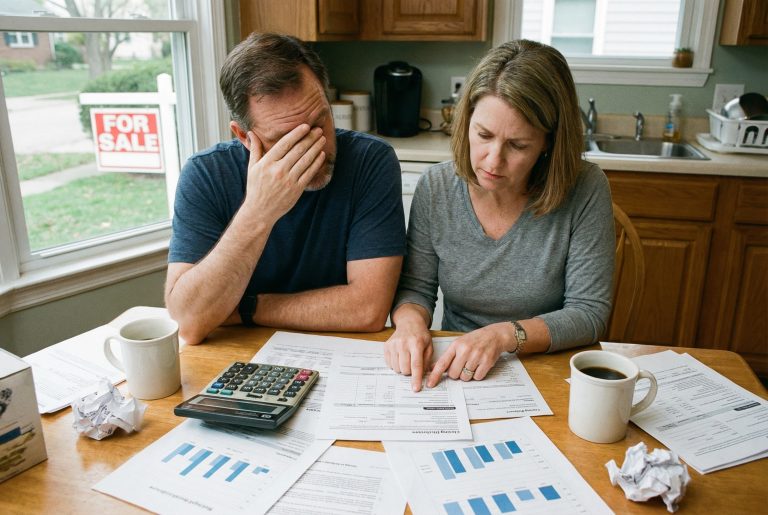
Here’s the number that tells the whole story: to buy the median-priced home in Salt Lake County, you need a household income of about $150,000. That typically means two incomes and eight to ten years in the labor market.
This isn’t the Salt Lake City your parents bought into. The county’s median sale price jumped from $380,000 to $530,000 between 2020 and 2022—nearly a 40% increase in just two years. Prices have essentially held at that elevated level ever since.
The market that once welcomed young first-time buyers has become increasingly inaccessible. “Salt Lake used to be a haven for young homeowners, as compared to the rest of the nation, but that’s changed over the first quarter of this century.”
What’s Actually Working for Buyers
Despite the challenges, buyers who execute well are still winning properties. Here’s what’s changing:
More inventory is coming. In December 2025, there were 15,965 homes for sale in Utah, up 14.5% year over year. That’s not a flood, but it’s the most inventory buyers have seen since before the pandemic.
Builders are responding to the market. Builders are making smaller homes—the number one reason being that today’s buyer is 50% likely to be a single buyer. They don’t need 4,000 square feet. They need something that fits their lifestyle and their budget.
Price cuts are becoming more common. About 19.9% of Utah homes had price drops last month, up from 18.0% the year prior. Sellers are slowly adjusting expectations.
Negotiating power is returning. With homes spending an average of 36 days on market instead of flying off in a weekend, buyers can inspect, negotiate, and make informed decisions rather than panic offers.
What Sellers Need to Understand
If you’re selling in Salt Lake City this year, the fundamentals are still on your side—but the margin for error has shrunk.
Homes priced right, in good condition, in desirable locations are still selling. Homes in Utah sold for 98.2% of list price on average—that’s solid. But the days of slapping any price on a listing and watching offers roll in are over.
The key challenges: Utah’s projected job growth rate is around 1.5%—the lowest level since the Great Recession. Net migration is slowing, accounting for only 43% of the state’s growth in 2025, the lowest percentage in four years.
That doesn’t mean demand is collapsing. It means the frenzy is over and this is a normal market where preparation, pricing, and presentation actually matter.
The Salt Lake City Housing Market 2026 Bottom Line
Here’s what my 20 years in this industry tells me about Salt Lake City right now: this is a market in transition, not a market in crisis.
The NAR “hot spot” designation reflects real strengths—a young population eager to buy, improving inventory, and rate sensitivity that could unlock significant demand if mortgage costs ease even slightly. Salt Lake City has a high percentage of millennials who’ve been in their prime homebuying years but have “delayed buying over the past few years because rates were just too high.”
But the challenges are equally real. Affordability remains brutal. Transaction volume is at 25-year lows. The lock-in effect keeps inventory constrained. And economic uncertainty around tariffs, inflation, and job growth could swing outcomes in either direction.
The researchers at the Gardner Policy Institute sum it up honestly: “Honestly, we have no idea what’s going to happen.” That’s not pessimism—that’s intellectual honesty in an uncertain environment.
The Play to Make
For buyers: stop waiting for perfect conditions. They’re not coming. If you can afford the payment at current rates, have stable employment, and find a home that works for your life, execute. Every year you wait for a crash that doesn’t materialize is another year of rent and another year of missing appreciation in a market that, despite everything, keeps grinding higher.
For sellers: price correctly from day one. This isn’t 2021. Overpriced listings will sit, and price reductions signal desperation to buyers who now have time to be patient. Work with an agent who understands micro-market dynamics—what sells in Sugar House is different from what sells in Holladay is different from what sells in South Jordan.
The Salt Lake City housing market 2026 won’t deliver dramatic headlines. It will deliver modest price growth, slowly improving inventory, and continued affordability pressure. For prepared buyers and realistic sellers, that’s actually fine. The fundamentals that make this market attractive—demographics, job quality, quality of life, mountain access—haven’t changed.
The market rewards readiness, not timing. Position yourself accordingly.
Looking to navigate the Salt Lake City market? Understanding local dynamics—from pricing strategy to neighborhood-specific trends—is the difference between a successful transaction and a frustrating experience. Connect with a local expert who knows this market’s nuances.